UAE Embassy Attestation Guide 2025: Documents & Fees
Discover everything you need to know about UAE embassy attestation in 2025. Learn about required documents, processing fees, and estimated processing times for a smooth attestation experience.
12/11/20257 min read
Introduction to UAE Embassy Attestation
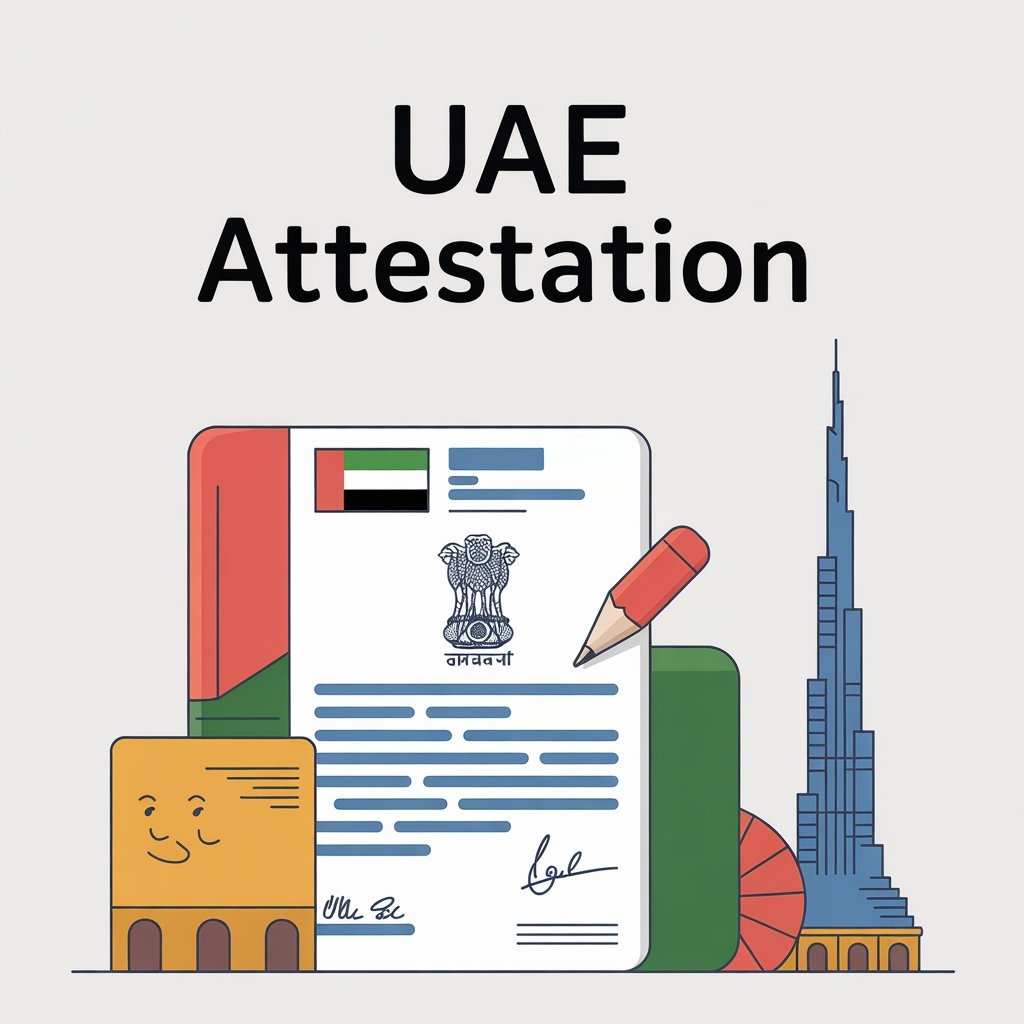
UAE Embassy attestation refers to the process of verifying the authenticity of documents issued in one country before they can be utilized in the United Arab Emirates (UAE). This procedure is particularly crucial for expatriates and businesses operating in the UAE, as it helps to validate legal documents against the UAE's legal and administrative systems. The importance of attestation extends to various types of documents, including educational credentials, personal certificates, commercial papers, and other legal documents.
The primary purpose of UAE Embassy attestation is to ensure that overseas documents have not only been properly issued but also comply with the regulations set forth by UAE authorities. For expatriates, attested personal and educational documents are often required for employment, residency, and higher education applications. This process safeguards the integrity of such documents, preventing fraudulent claims and safeguarding the interests of both individuals and institutions within the UAE.
For businesses, the necessity of attestation encompasses commercial documents such as contracts, partnership agreements, and trade licenses. An attested document signifies that the information contained within has been verified, thus enhancing credibility in business dealings. Additionally, it streamlines the legal processes, enabling smoother transaction flows and fostering trust among business partners and regulatory bodies.
Overall, UAE Embassy attestation is an essential step in facilitating the acceptance of foreign documents in the UAE. With the growing number of expatriates and international businesses in the region, understanding the attestation process is paramount. It reflects the UAE's commitment to maintaining a rigorous administrative framework while simultaneously encouraging global interaction. As such, obtaining the requisite attestations is a critical endeavor that ensures compliance with local laws and standards.
Documents Required for UAE Embassy Attestation
Obtaining UAE Embassy attestation involves a comprehensive set of documents, which varies depending on the purpose of attestation—personal or business-related documentation. For individuals applying for embassy attestation, the essential documents include a valid passport, which serves as proof of identity and nationality. Alongside this, birth certificates are crucial, especially for those with dependent children, as they may be necessary for family visa applications.
Marriage certificates also require attestation if the applicant is married, particularly when seeking a family visa or residency sponsorship. Educational documents such as degrees and diplomas need to be included, particularly for professionals looking to work or study in the UAE. Each educational certificate should be accompanied by transcripts to validate the information presented. These documents are generally required to be notarized before submission for attestation.
On the other hand, business entities must prepare a different set of documents for UAE Embassy attestation. A commercial license is mandatory, as it provides proof of the business's registration in the home country. Additionally, partnership deeds may be necessary if the business is a partnership. Furthermore, recent invoices or financial statements can be required to demonstrate the legitimacy of the business operations and confirm its active status. All of these documents must be attested by respective authorities before submission to the UAE Embassy.
It is vital for applicants to ensure that all documents are complete, correctly notarized, and translated into Arabic if necessary, as this not only facilitates the attestation process but also prevents unnecessary delays. Understanding these requirements is crucial for a smooth attestation experience.
Understanding the Fees for UAE Embassy Attestation
Attending to the necessary formalities for UAE Embassy attestation involves a clear understanding of the fee structure associated with the process. The fees may vary based on different types of documents that require attestation, such as educational certificates, commercial documents, or personal papers. Generally, the cost can be categorized into consular fees, service charges, and additional expenses that may arise during the process.
Consular fees are typically charged by the UAE Embassy for the processing of documents. These fees can fluctuate based on the type of document being attested and the urgency in which the service is required. For instance, educational certificates often attract a specific fee, while business-related documents might have a different set of costs. It is advisable to check the latest fee schedule available on the embassy’s official website or contact the embassy directly for the most accurate information.
Service charges may also apply, especially if you are using third-party services to manage the attestation process. These charges can cover various aspects such as document collection, submission, and delivery. Additionally, if expedited processing or special services are required, the fee landscape can shift considerably. Therefore, individuals seeking attestation should assess their needs carefully and consider these service options.
Furthermore, payment methods are crucial to note. Most embassies accept various payment forms, including bank transfers, credit cards, and cash. Visitors are encouraged to verify the accepted payment options in advance to avoid inconvenience. Understanding the complete fee structure, along with possible additional costs associated with UAE Embassy attestation, helps in budget planning and ensures a smooth attestation process without unexpected financial burdens.
Processing Time for Attestation at UAE Embassies
The processing time for attestation at UAE embassies can vary significantly depending on several factors, including the type of document being attested and the current workload of the embassy. Generally, the average timeframe for completing the attestation process ranges from a few days to several weeks. Basic educational and personal documents, such as degrees and birth certificates, typically require less time, often completed within 3 to 5 business days. Conversely, complex commercial documents or those that necessitate further verification might take longer, sometimes extending up to 15 business days or more.
It is crucial for individuals to understand that variations in processing times can also be influenced by external elements such as public holidays, embassy operating hours, and specific requirements mandated by the UAE government. In challenging circumstances, unforeseen delays may occur, potentially disrupting the overall timeline. To mitigate such issues, it is advisable to plan ahead and initiate the attestation process well in advance of any deadlines or important dates.
If readers find themselves in situations requiring expedited processing, there are strategies that can help accelerate the procedure. Utilizing express services offered by some embassies can significantly reduce waiting times. Additionally, ensuring that all documents are complete and accurate prior to submission will help avoid delays caused by corrective measures. Engaging professional services that specialize in document attestation may also prove beneficial, as these providers often have established relationships with authorities and can navigate the process more swiftly.
By understanding the general timeframes, potential delays, and strategies to expedite the process, individuals can better plan their timelines and avoid unnecessary complications when seeking attestation at UAE embassies.
Step-by-Step Guide to Attest Documents at UAE Embassies
Obtaining document attestation from UAE embassies is a crucial process for expatriates and travelers who require their documents to be recognized in the United Arab Emirates. This guide provides a comprehensive overview of the necessary steps involved in obtaining attestation for various documents.
First and foremost, prepare the documents that need to be attested. Commonly required documents include educational certificates, marriage certificates, and commercial documents. It is vital to ensure that these documents are original and, in some cases, notarized in the home country before approaching the embassy.
Secondly, familiarize yourself with the specific requirements of the UAE embassy where you intend to submit your documents. Each embassy may have varying procedures, including the types of acceptable documents, processing times, and fees. It is advisable to visit the official embassy website for detailed information.
Next, submit your documents along with any required application forms and identification to the embassy. Be prepared to present copies of your passport and, if necessary, your residence visa. While submitting documents, it is beneficial to keep a checklist to ensure all requirements are met, thereby avoiding any potential delays.
After submission, pay the required fees. The fees may vary depending on the document type and the urgency of processing. Therefore, inquire about different payment methods accepted, including online payments, where applicable.
Once your documents have been processed, you will be notified when they are ready for collection. It's advisable to personally collect them to ensure that everything has been properly attested and to address any questions or discrepancies that may arise. Additionally, check the attested documents carefully upon receipt to confirm that all details are accurate.
By following these steps systematically, individuals can efficiently navigate the attestation process at UAE embassies, minimizing delays and ensuring compliance with all necessary regulations.
Common Challenges and How to Overcome Them
Attaining UAE Embassy attestation can present various challenges that may hinder the process. Understanding these common obstacles is crucial for ensuring a smooth experience. One prevalent issue is incomplete documentation. It is imperative for applicants to carefully review and prepare all necessary documents, as any missing paperwork can lead to significant delays. To mitigate this risk, creating a checklist of required documents prior to submission can be highly beneficial. Additionally, applicants should consult the official UAE Embassy website for the most up-to-date requirements to ensure comprehensive documentation.
Another challenge often encountered involves misunderstandings regarding fees. Different services may have varying costs, and applicants might mistakenly interpret the fee structure. To avoid confusion, individuals are encouraged to inquire directly at the embassy or visit their official website for a clear and detailed breakdown of fees associated with the attestation process. Keeping receipts and maintaining a record of payments can also help in case any discrepancies arise.
Delays in processing times are also a common concern. These delays can stem from high volumes of applications or unforeseen circumstances. To combat this issue, applicants should aim to submit their documents well in advance of any deadlines they may have, allowing ample time for processing. If delays occur, it is advisable to follow up with the embassy by contacting them via phone or email to receive updates on the application status. In the event of persistent issues or complications, seeking assistance from professionals or agencies that specialize in visa and document processing can provide additional support and guidance.
By being proactive and informed about these common challenges in the UAE Embassy attestation process, individuals can navigate the complexities more efficiently, ensuring a streamlined experience overall.
Conclusion: Final Thoughts on UAE Embassy Attestation
In reviewing the intricacies of UAE Embassy attestation, it is crucial to underscore the necessity of adequate preparation prior to beginning the process. The attestation of documents is not merely a bureaucratic formality; it plays a vital role in facilitating your legal and professional undertakings in the UAE. Throughout this guide, we have discussed the specific documents required for attestation, the associated fees, and the anticipated processing time in 2025.
Understanding these components is essential for ensuring that your documentation meets the UAE’s stringent requirements. Each document must be meticulously prepared and attested in accordance with the latest regulations to avoid delays. Additionally, being aware of the fee structure enables individuals to budget accordingly and reduces the likelihood of unexpected financial burdens during the attestation process.
Staying informed about any changes in procedures and policies regarding UAE Embassy attestation is equally important, as regulations can evolve. This vigilance ensures that you are not caught off guard, which could impact your plans negatively. Watching for updates will assist in maintaining an uninterrupted and efficient attestation timeline.
For those who may find the attestation process daunting, seeking professional assistance can be a worthwhile consideration. Experienced consultants or legal advisors can provide invaluable support, simplifying the requirements and procedures while ensuring compliance with all regulations. In this way, you can navigate the complexities of UAE Embassy attestation more effectively, allowing you to focus on your wider goals, whether personal or professional. Ultimately, being well-prepared and informed will help guarantee a seamless experience as you undertake your journey toward securing the necessary attestation for your documents.